
Services
Explore our range of services provided for you by our expert cardiovascular team.
Click the images below to learn more:

Cardiology Consultation
Cardiology Consultation
A cardiology consultation is a comprehensive evaluation of your heart health by a cardiologist.
Our expert cardiologists will interview you, to gain as much information about your heart health as possible. They may conduct a physical examination to help in their diagnosis, or recommendations on next steps.
The results of a cardiology consultation vary from person to person. Some people may find out that they require further testing, immediate treatment, while others may have a healthy heart and only need to continue living a healthy lifestyle.
When you attend your consultation, it is helpful to:
- Prepare a list of any medications being taken
- Bring results of other medical exams and tests
- Prepare a list of questions to ask the cardiologist
- Create a complete list of symptoms including their severity and when they started to show
Cardiology Consultation
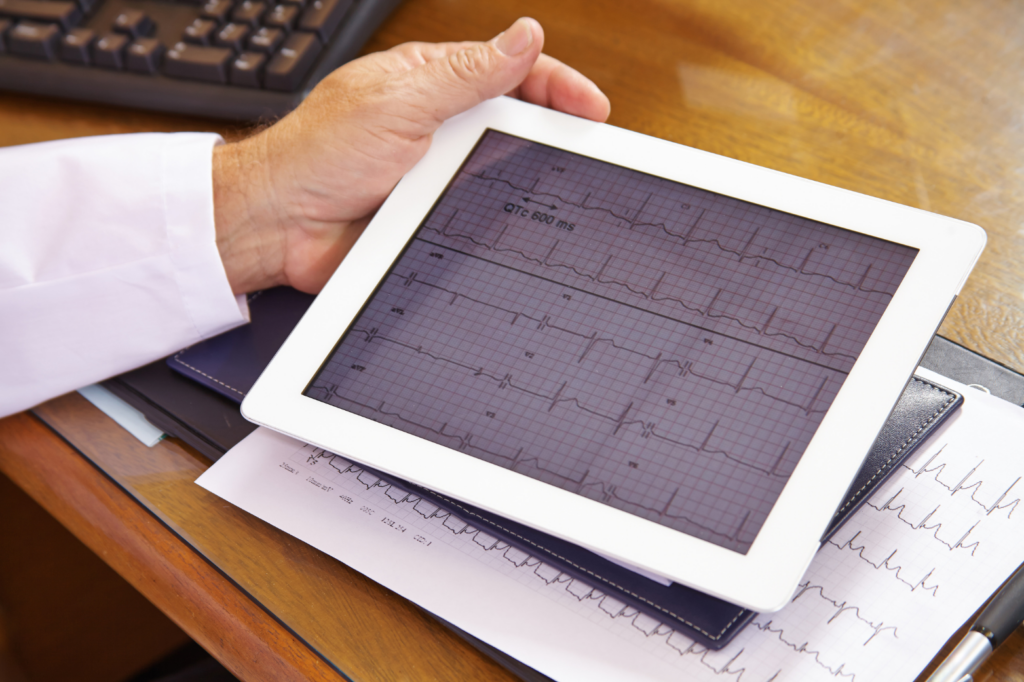
ECG Report
Electrocardiogram (ECG)
An electrocardiogram (ECG) is a quick test to check your heartbeat. It records the electrical signals in the heart. Test results can help diagnose heart attacks and irregular heartbeats, called arrhythmias.
ECG Report
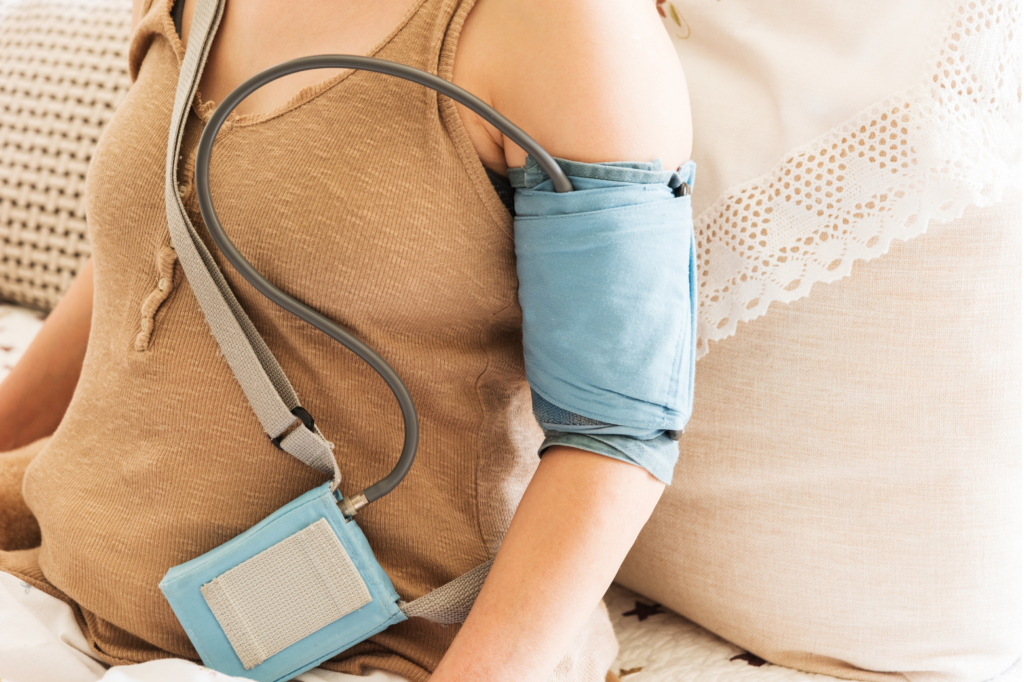
24 Hour Blood Pressure Monitoring
24 Hour Blood Pressure Monitoring
Our 24-Hour Blood Pressure Monitoring, also known as ambulatory blood pressure monitoring, is a comprehensive method designed to assess your blood pressure throughout a 24-hour period.
This service is particularly beneficial for identifying any fluctuations or variations in your blood pressure that may not be apparent during a brief visit to the clinic.
Ambulatory blood pressure monitoring takes dozens of readings over a 24 hours. Your cardiologist uses this data to calculate your average BP over the 24-hour period. They also calculate changes in BP and heart rate, BP distribution pattern and other statistics.
24 Hour Blood Pressure Monitoring

Echocardiogram
Echocardiogram (Echo)
An echocardiogram is an ultrasound test that checks the structure and function of your heart. This common test can show blood flow through the heart and heart valves. An echo can diagnose a range of conditions including cardiomyopathy and valve disease.
Echo- cardiogram

Angiogram
Angiogram
Angiograms use X-rays to view your body’s blood vessels. This test is used to study narrow, blocked, enlarged, or malformed arteries or veins in many parts of your body, including your brain, heart, abdomen, and legs.
A coronary angiogram is an X-ray of the arteries in the heart. This shows the extent and severity of any heart disease, and can help you to figure out how well your heart is working.
To create the X-ray images, your cardiologist will inject a liquid dye through a thin, flexible tube, called a catheter. The doctor threads the catheter into the desired artery from an access point. The access point is usually in your arm but it can also be in your groin.
The dye makes the blood flowing inside the blood vessels visible on an X-ray and shows any narrowed or blocked area in the blood vessel. The dye is later eliminated from your body through your kidneys and your urine.
With an angiogram test, your provider can diagnose and/or plan treatment for conditions, such as:
- Coronary artery disease.
- Peripheral artery disease.
- Atherosclerosis.
- Blood clots.
- Aneurysm.
Angiogram
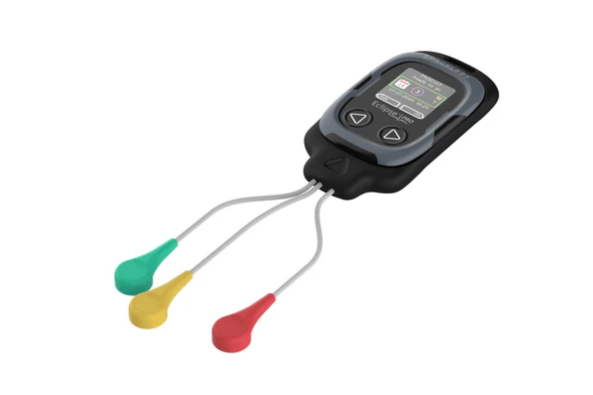
Holtor Monitor
Holter Monitor
A Holter monitor is a small, wearable device that records the heart’s rhythm, usually for 1 to 2 days. It’s used to spot irregular heartbeats, also called arrhythmias.
Holter monitoring is painless. The electrodes and wires can be hidden under clothing. Don’t take the Holter monitor off. It must be worn during the entire recording period, even while sleeping.
You may need to use a Holter monitor if you have:
- Symptoms of an irregular heartbeat, also called arrhythmia.
- Fainting with no known cause.
- A heart condition that increases the risk of irregular heartbeats.
Holter Monitor
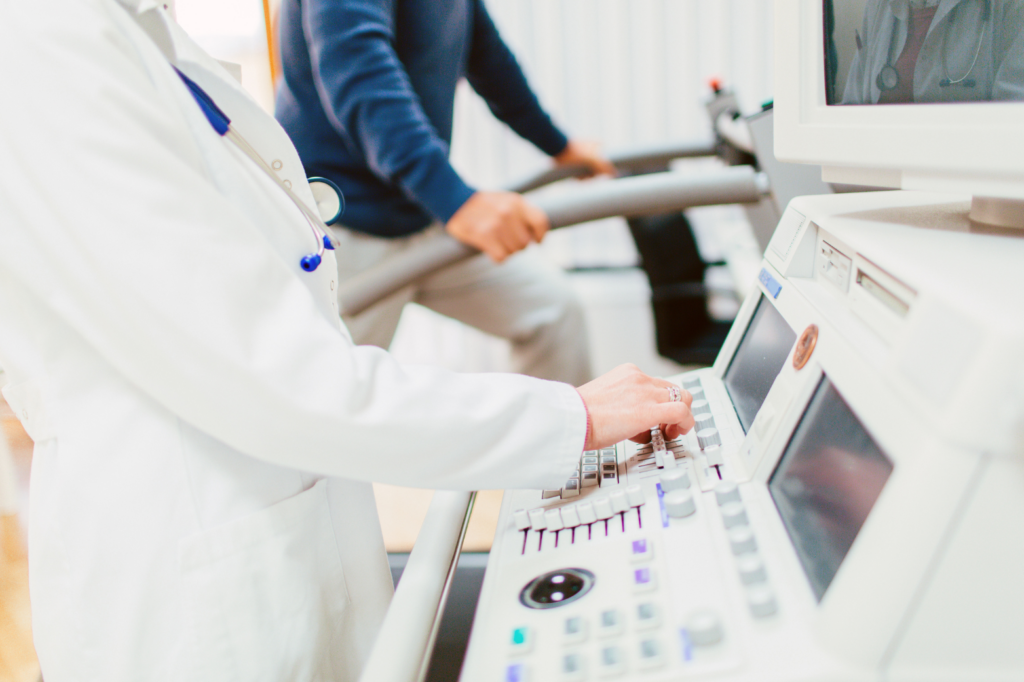
ETT
Exercise Treadmill Test
Exercise treadmill test, or an exercise stress test, is used to determine how well your heart responds during times when it’s working its hardest.
During the test, you’ll be asked to walk on a treadmill while you’re connected to an ECG machine. This allows the cardioloigist to monitor your heart rate.
This test helps determine:
- How well your heart pumps blood.
- Whether your heart is receiving an adequate blood supply.
- How well you perform physical activity
- If your symptoms (chest discomfort, shortness of breath, heart racing, or even dizziness) can be reproduced while performing physical activity.
This makes it easier to identify and evaluate heart issues, such as:
- Issues with your heart muscle or valves.
- Adequate blood supply to your heart muscle.
- Electric stability of your heart at rest and during exercise.
Exercise treadmill tests help the cardiologist determine if you need additional testing to confirm a diagnosis, or if treatment might lower your heart attack risk and make you feel better.
Exercise Treadmill Testing
PCI
Percutaneous Coronary Intervention
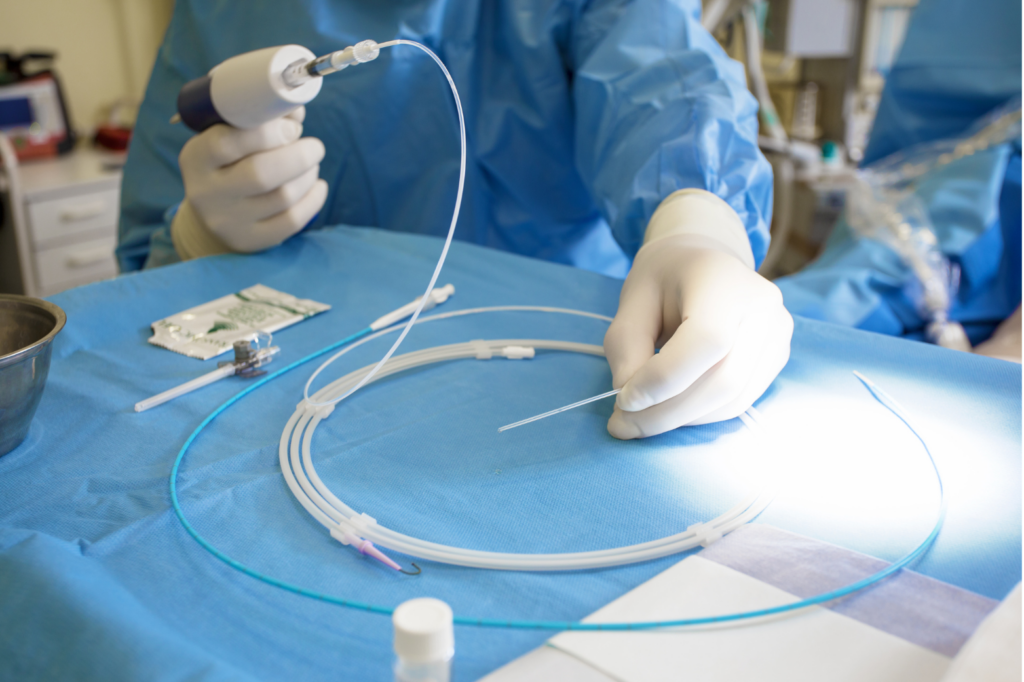
Percutaneous coronary intervention (PCI) is a treatment to open a blocked artery. Arteries are the blood vessels that carry oxygen-rich blood through your body. You may need a PCI if you have a buildup of a fatty, waxy substance (plaque) in your arteries. Or you may have a PCI to clear blockages after a heart attack.
A PCI procedure uses a small balloon to reopen a blocked artery to increase blood flow. Your interventional cardiologist may then place a small, permanent tube (stent) to keep the artery open long term.
Percutaneous Coronary Intervention (Stent)
Renal Denervation
Renal Denervation
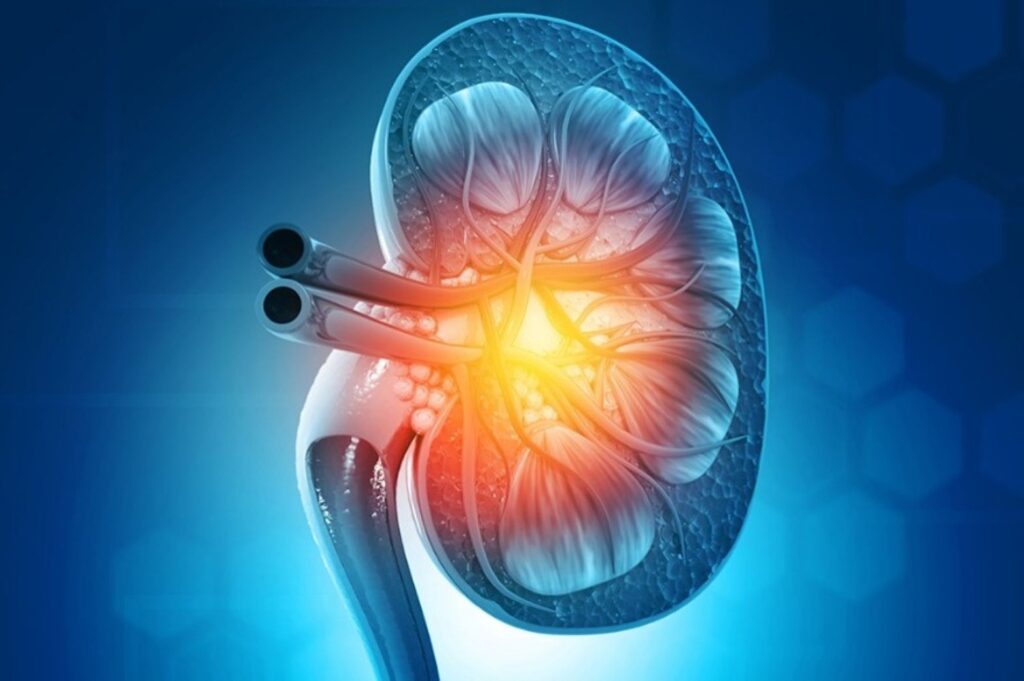
Renal denervation is a procedure which aims to treat medication resistant high blood pressure (hypertension) by reducing the activity of the nerves which surround the kidneys which contribute to this condition.
Often known as the silent killer, a lot of people do not know they have high blood pressure, until they develop serious symptoms or have an emergent medical event, such as:
- Heart attacks
- Stroke
- Renal failure
- Heart failure
- Organ damage
Your cardiologist may suggest this for you if you are known to have resistant hypertension (high blood pressure constantly above 160mmHg) even when taking three or more different types of anti-hypertensive medication (blood pressure tablets).
Renal Denervation
ILR
Implantable Loop Recorder
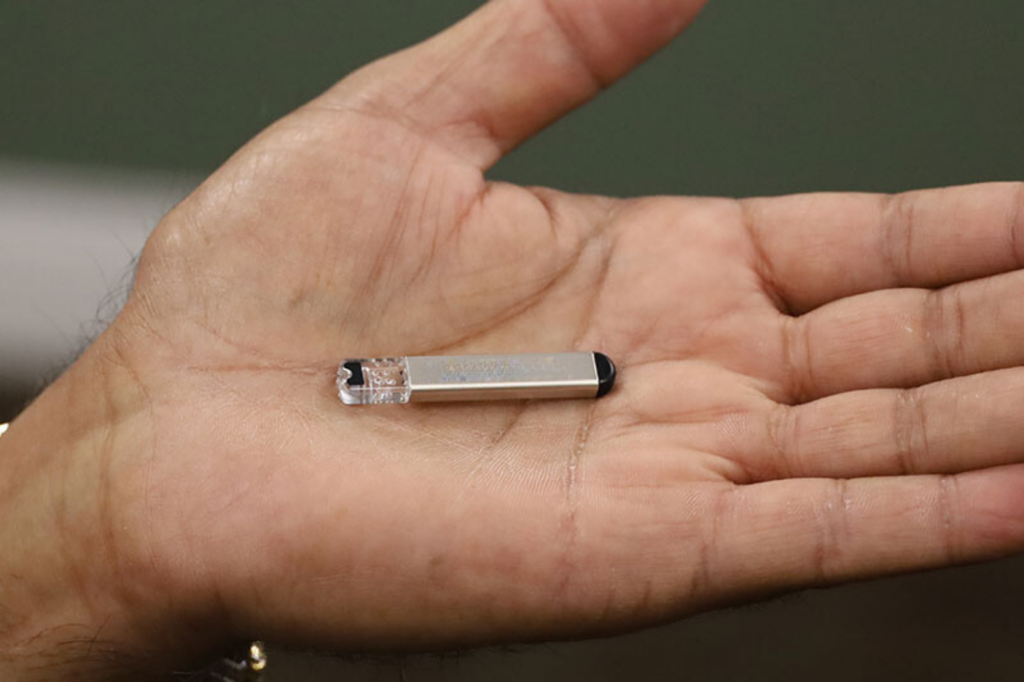
An implantable loop recorder is a device that records the heartbeat continuously for up to three years. It’s also called a cardiac event recorder. The device tells your care provider how the heart is beating while you do your daily activities.
The small device is placed just under the skin of the chest during a minor surgery.
Your cardiologist may recommend an implantable loop recorder if you have:
- An irregular heartbeat, called an arrhythmia.
- An unexplained stroke.
- High risk of stroke
- Unexplained fainting.
Implantable Loop Recorder

Pacemaker Insertion
Pacemaker Insertion
A pacemaker is a small, battery-powered device used to control or increase the heartbeat. It stimulates the heart as needed to keep it beating regularly. It is surgically implanted, and sits just beneath the collarbone.
The heart’s electrical system typically controls the heartbeat. Electrical signals, called impulses, move through the heart chambers. They tell the heart when to beat.
Changes in heart signaling may happen if the heart muscle is damaged. Heart signaling problems also may be caused by changes in genes before birth or by using certain medicines.
You may need a pacemaker if:
- You have a slow or irregular heartbeat that lasts for a long time, also called chronic.
- You have heart failure.
Pacemaker Insertion
Leadless Pacemaker
Leadless Pacemaker
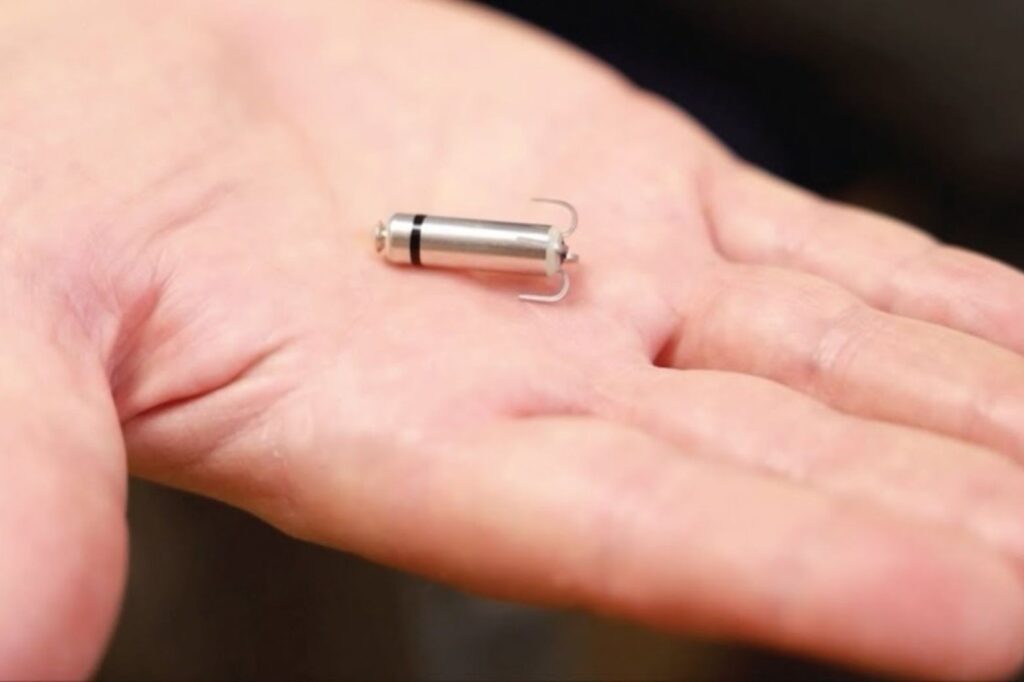
A leadless pacemaker is a small battery-powered electronic device which controls your heart rate and prevents your heart from beating too slowly, which can cause a range of symptoms such as dizziness and syncope (fainting).
A leadless pacemaker is about the size of a AAA battery and is implanted directly into the heart, which is unlike a traditional pacemaker. Traditional pacemakers have leads which are secured to the heart, sit within your vascular system and connect to a generator which sits underneath your collar bone.
This new frontier in devices may be suitable for you if you need a pacemaker and if:
- You are prone to infections.
- You have known vascular problems at traditional implantation sites.
- You only require the pacemaker to deliver impulses every so often, not all the time.
- You have permanent Atrial Fibrillation.
Leadless Pacemaker
Get in Touch with Our Expert Team Today
Your cardiovascular health and well-being are our top priorities, and we are committed to delivering exceptional heart care tailored to your unique needs. Don’t wait—reach out to us today and experience the outstanding healthcare services our team at G&H Cardiovascular has to offer.
Have a suggestion?
We appreciate your input
We value your feedback and ideas! Please share your suggestions, comments, or any improvements you’d like to see by sending us a message. Your input helps us enhance our services and create a better experience for you. We appreciate your participation in making G&H Cardiovascular even better!